| 1 of 10 | 2 of 10 | 3 of 10 | 4 of 10 | 5 of 10 | 6 of 10 | 7 of 10 | 8 of 10 | 9 of 10 | 10 of 10 | Previous | | | Next |
|---|
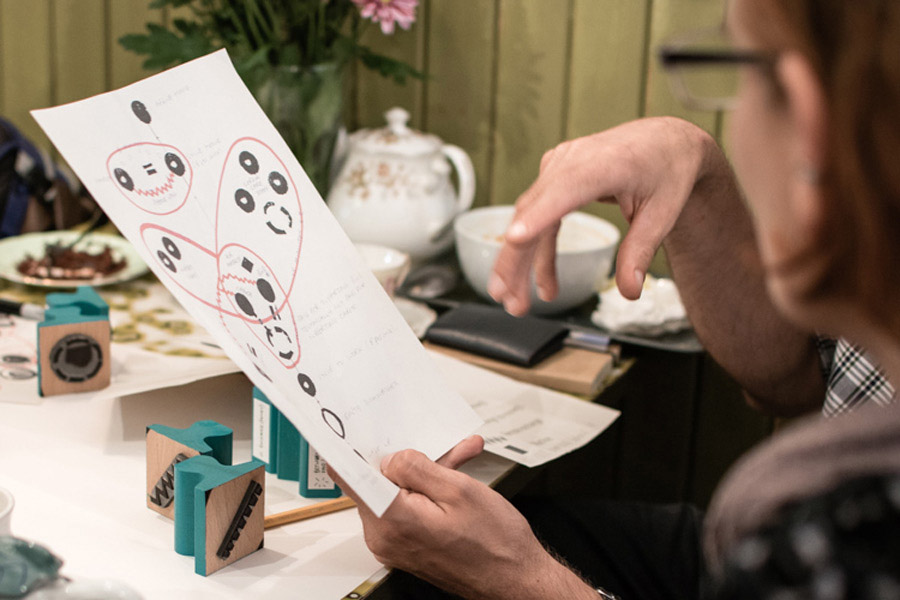
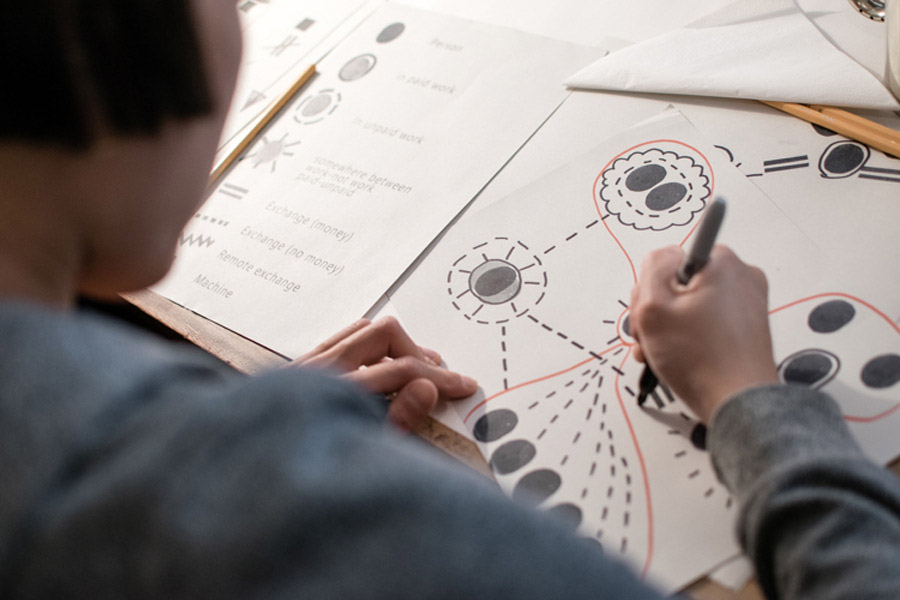
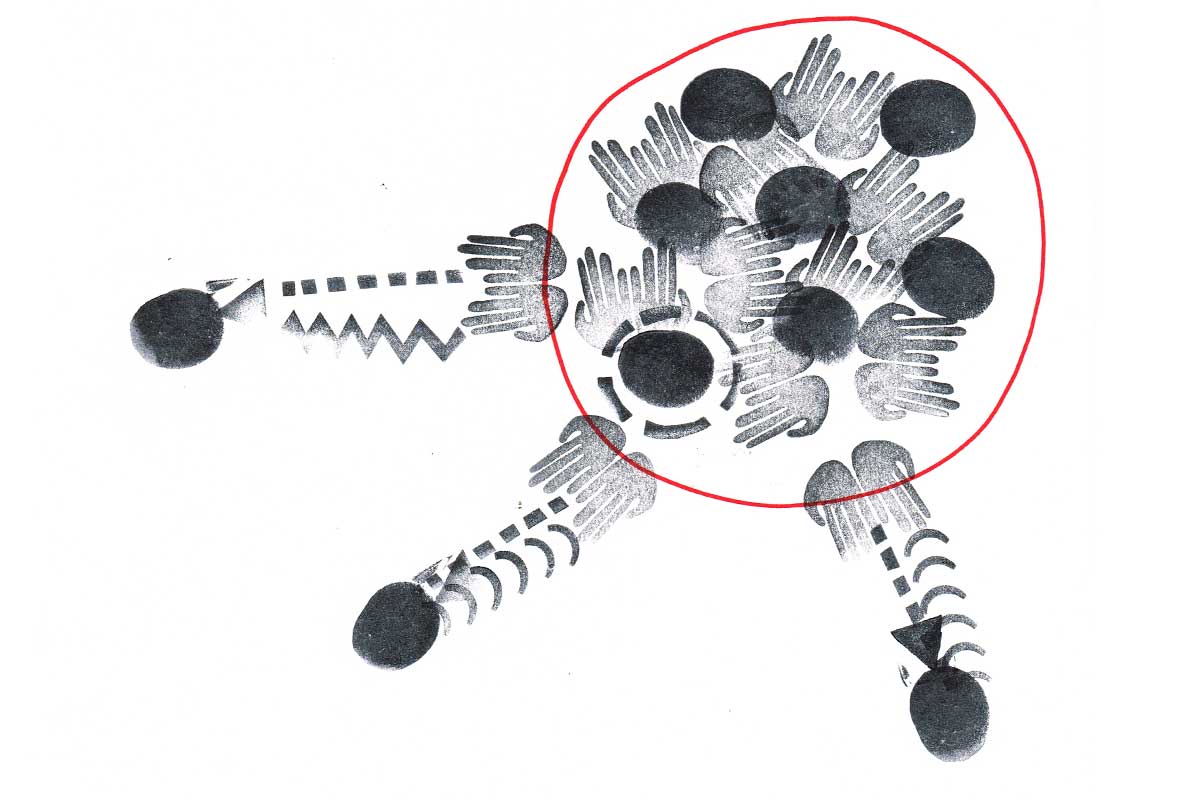
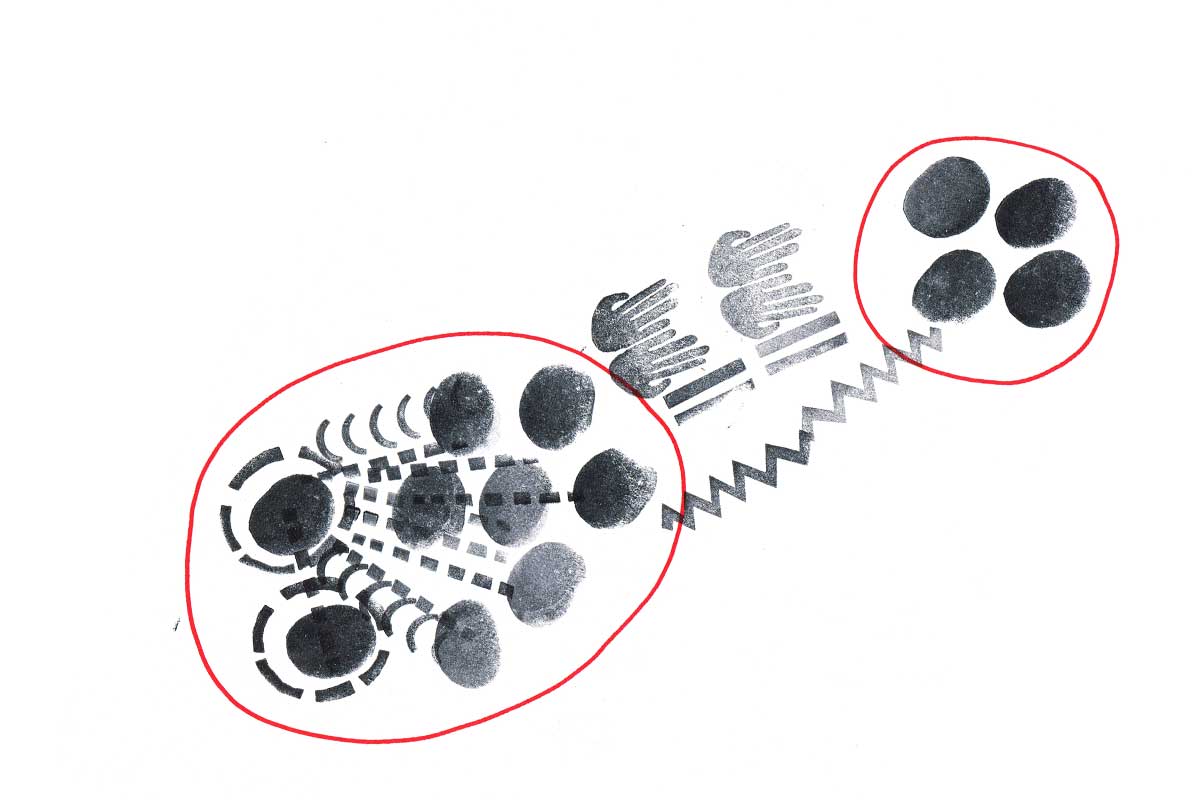
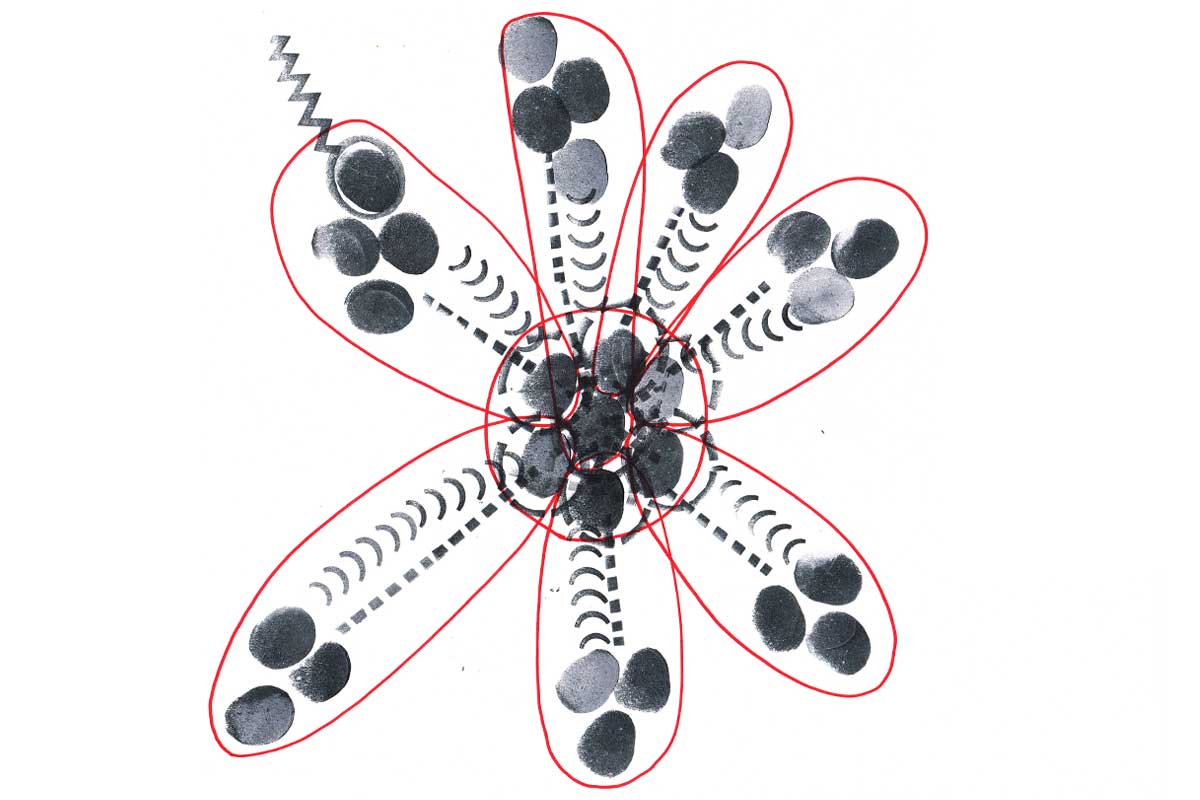
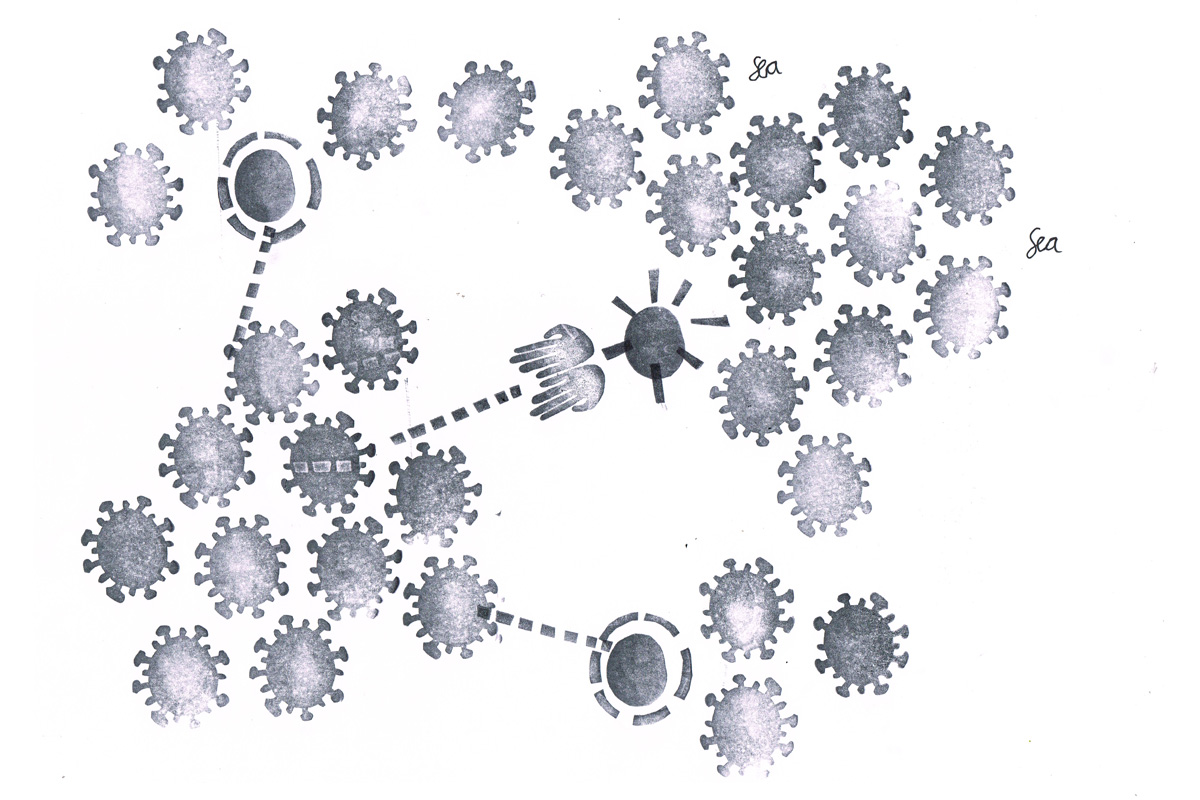
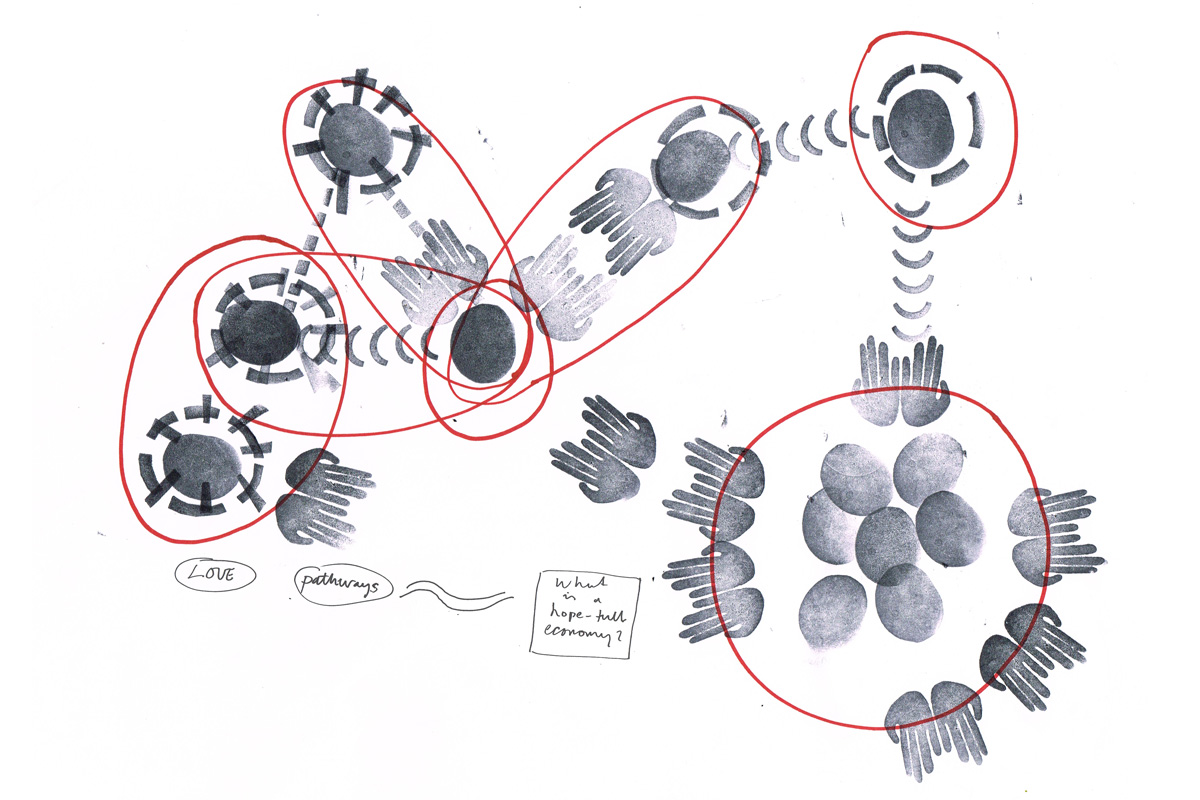
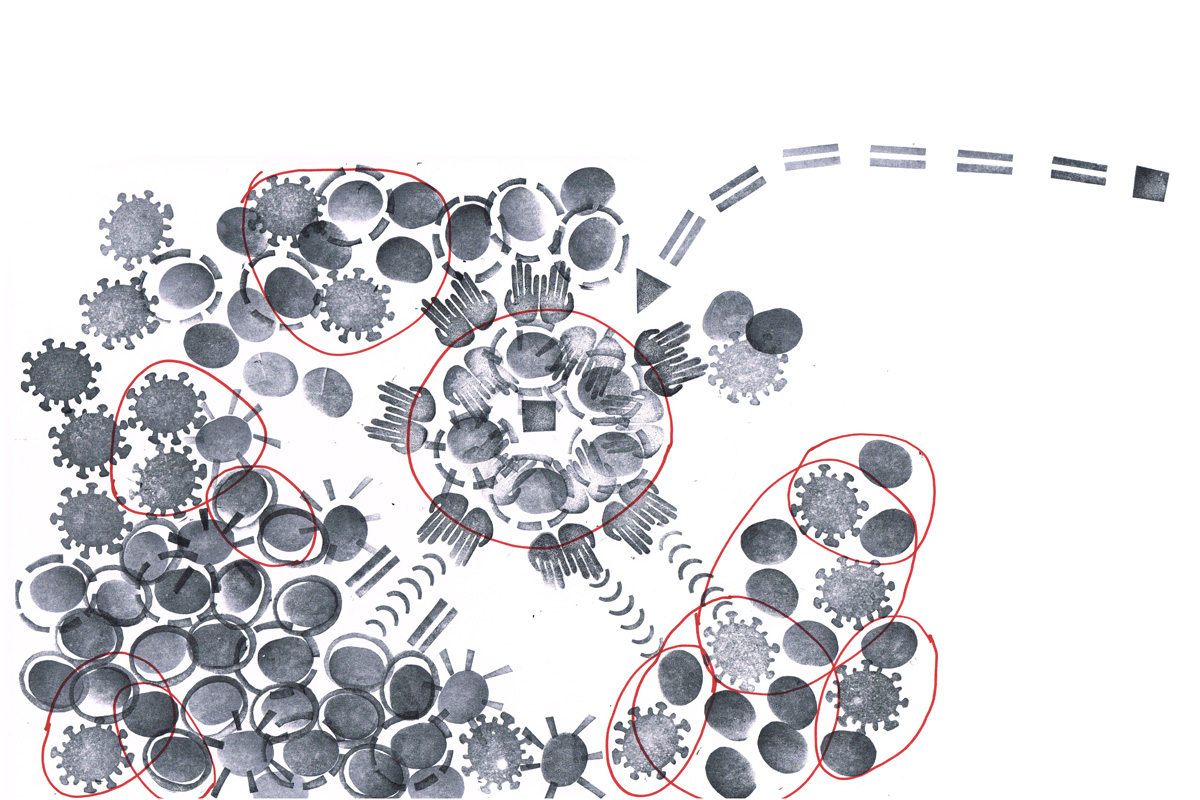
I have been working on Mapping Below the Waterline since 2016. These workshops mapping intersecting care and community economies form part of a wider body of work that looks at how concepts of feminist economics and feminist ethics of care relate to people’s lived experiences.
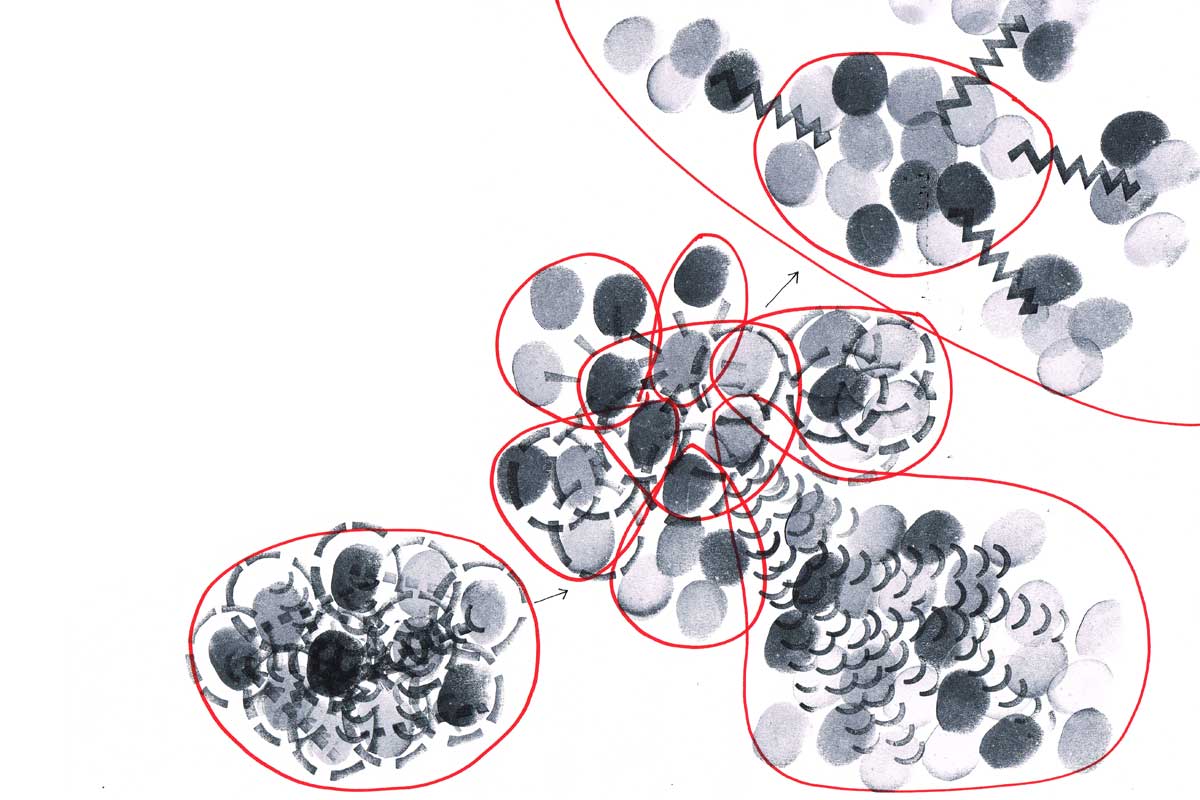
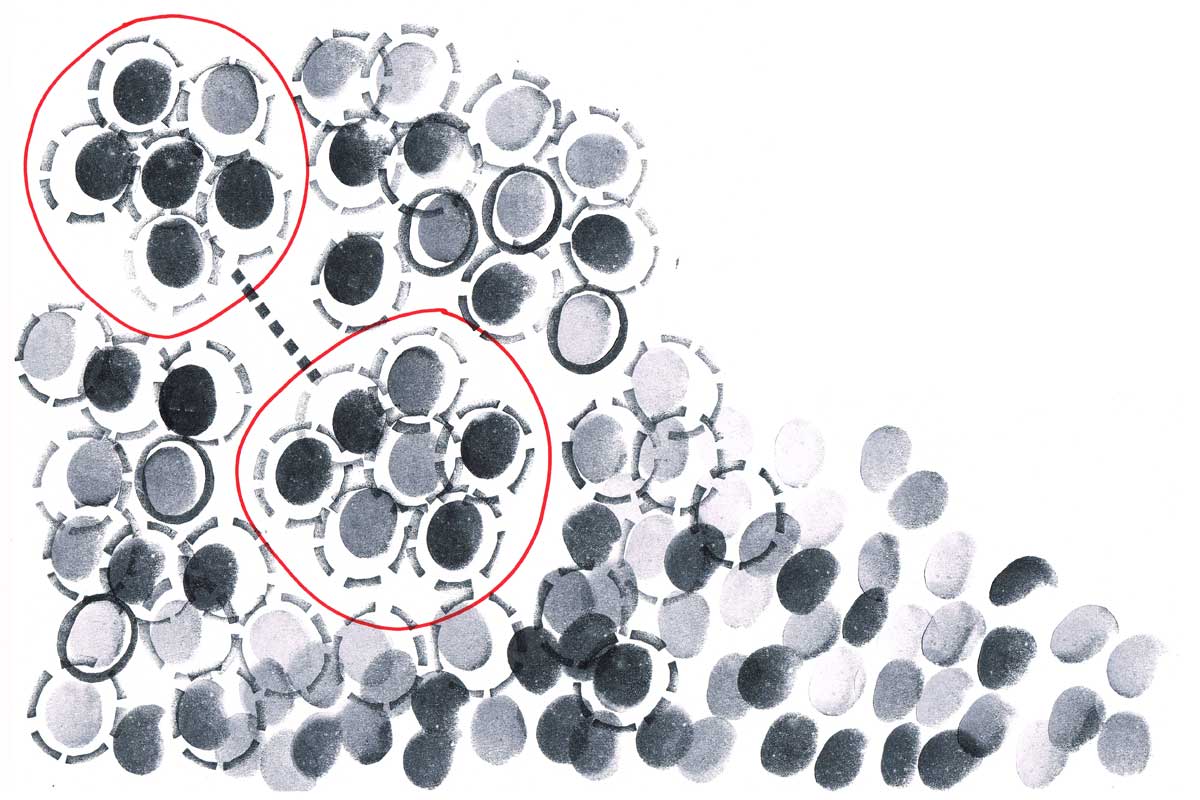
The process began as part of my work on The People’s Bank of Govanhill. The initial block printing set for Mapping Below the Waterline was co-designed with women* in Govanhill, Glasgow as a means of communicating visually across different cultures and spoken languages. This hands-on print block mapping process (reconceived during lockdown as online tool String Figures) invites workshop participants to map, chart and visualise the interactions, networks, and systems of exchange that support, influence, and impact their lives. Often the process reveals a lot about power, from collective power through cooperation to more problematic and controlling power structures. Workshops begin by asking what works well and is already functioning in our lives and networks—often coupled with identifying what doesn’t work so well, then moving into mapping how we might want to reshape some of these systems collectively. The resulting conversations—between intimate personal relationships to wider power structures—connect the personal to the political as we talk about, and map out, how we might restructure the ways we live and work together to build a more equitable and just society. What does radical feminist governance look like? What shapes might a fairer system take?
I have been commissioned by numerous groups and organisations to work with them in mapping out the intersecting economies and ecologies in their work. The set of printed symbols we use to denote things like unpaid labour, emotional labour and exchange has continued to evolve as participants create new symbols to represent their ecologies. Most recently I have worked with Glasgow Women's Library, Rumpus Room artist-led initiative in Glasgow and ATLAS on the Isle of Skye.
Reflections on the workshops with ATLAS feature in my chapter Love Proliferating Outwards in Rehearsing Hospitalities published by Frame Contemporary Art Finland and Archive Books
Mapping Below the Waterline uses feminist economists JK Gibson-Graham’s metaphor of the “Economy As An Iceberg” as a way to visualise the diverse, multiple economies that make up our world. My mapping work features as the cover illustration for JK Gibson Graham's Handbook of Diverse Economies
*women and other marginalised genders. Participating groups included: Romano Lav, a charity organisation challenging discrimination and promoting equality for Roma people in Scotland; Chai and Chat, at The Well Multi-Cultural Resource Centre; Rags to Riches, an upcycling social enterprise project; and Amina Muslim Women Resource Centre.
Mapping workshops have been commissioned for Deveron projects, Newbridge Projects, University of Glasgow, Birdsong, Create London and ATLAS
| String Figures | home | Crypto Knitting Circles |
|---|